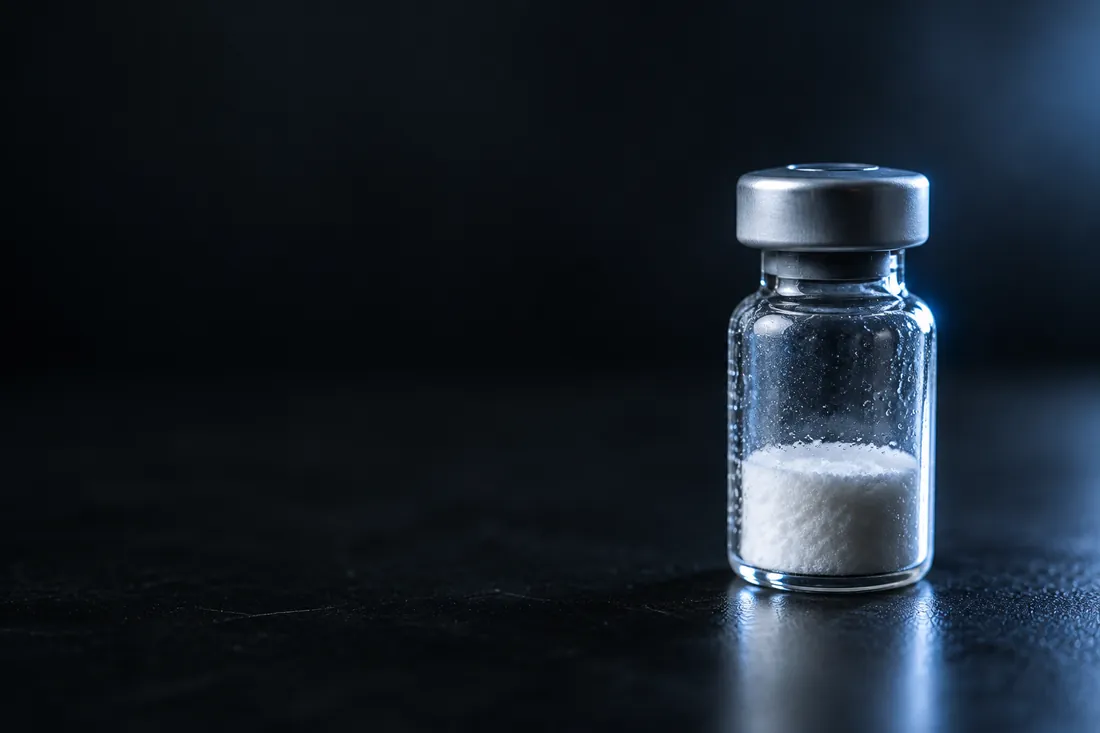
Research peptides.
Measured, not promised.
Four peptides as lyophilisate, every batch tested independently by RP-HPLC and ESI-MS. The test report is public and reachable via the lot number on the label. For research use only.
- Independent laboratoryEvery batch goes to an accredited laboratory, not to the manufacturer.
- Two methods per batchIdentity by ESI-MS, purity by RP-HPLC at 220 nm.
- Specification ≥ 98 %Limits are fixed before measuring. Only conforming batches are released.
- Public reportsEnter the lot number or scan the QR code and read the report. No login.
Four peptides. Four fields of research.
A tissue peptide from gastric juice, a copper complex from plasma, a messenger from the mitochondrial genome and a tetrapeptide from pineal gland research. What they share: an unusually active research literature.
- 01BPC-157Stable gastric pentadecapeptideA 15-amino-acid fragment of a gastric juice protein that has been studied unusually broadly in animal models. One of the most discussed research peptides, with an evidence base that is almost entirely preclinical.PreclinicalClinical
- 02GHK-CuCopper tripeptide from human plasmaA naturally occurring tripeptide that binds copper(II) and whose plasma concentration declines with age. Studied in cell culture and animal models since the 1970s, particularly well documented in skin research.PreclinicalClinical
- 03MOTS-cMitochondrially encoded peptideA 16 amino acid peptide whose blueprint lies not in the cell nucleus but in the mitochondria's own genome. Since its discovery in 2015, a model for the question of how mitochondria help steer the metabolism of the whole cell.PreclinicalClinical
- 04EpitalonTetrapeptide from pineal gland researchFour amino acids, designed after a peptide extract of the pineal gland. Known for findings on telomerase in cell culture and for long-term studies in mice; the literature still comes predominantly from one research group in Saint Petersburg.PreclinicalClinical
All four as lyophilisate, for research use only.
What we measure, we show.
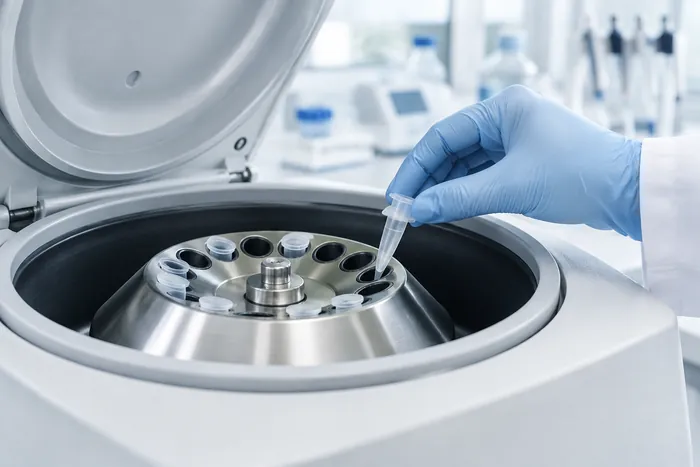
Six stations between goods receipt and release. Every batch passes through them in the same order.
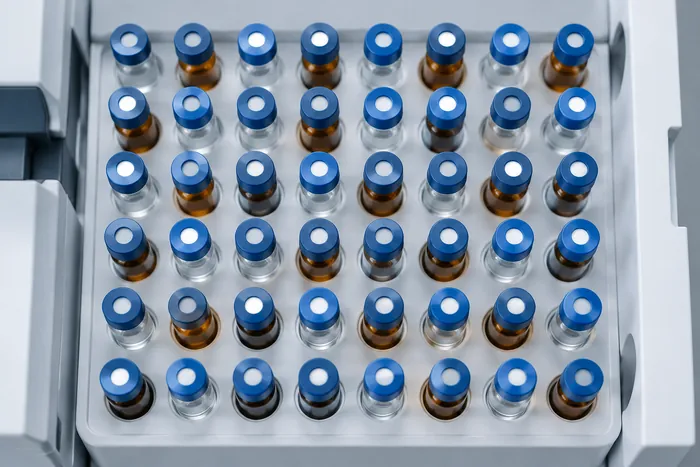
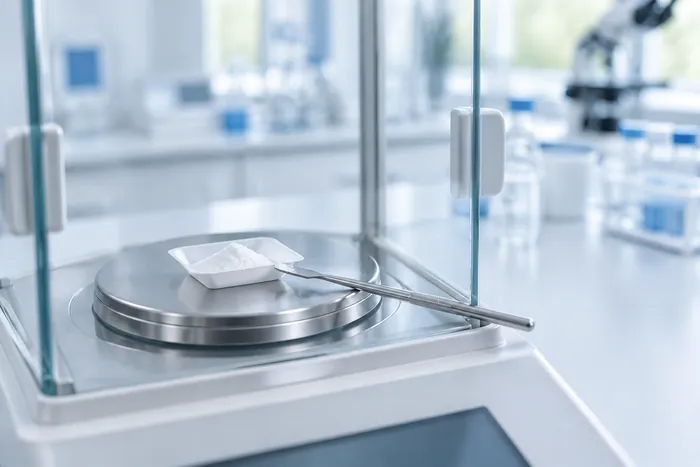


One vial, one batch, one report.
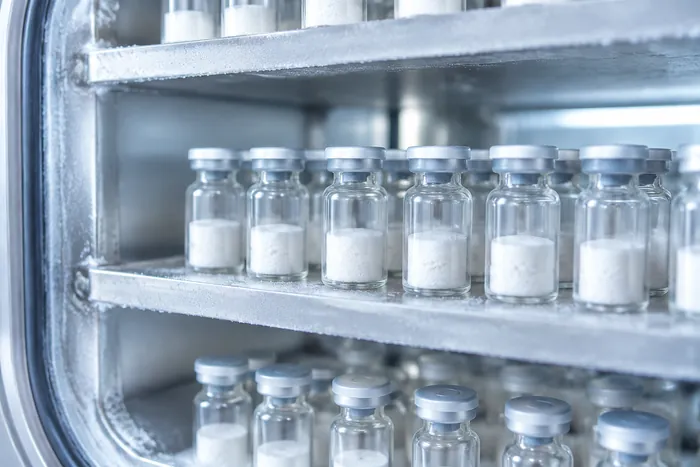
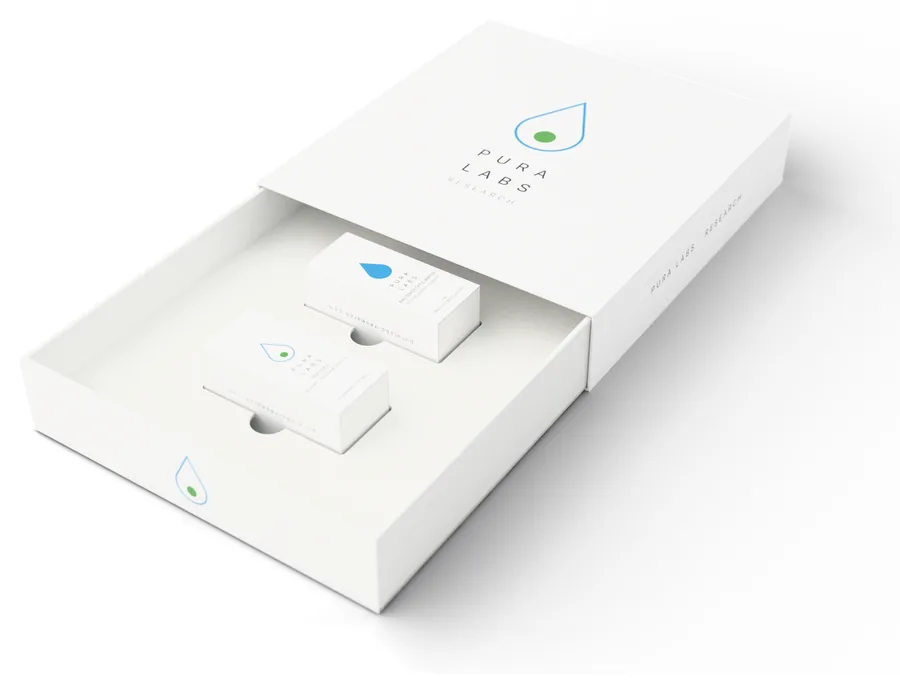
Each peptide comes as a lyophilisate in a glass vial, in its own carton, together with bacteriostatic water in the drawer box. Every label carries the lot number that leads to the test report.
- Lyophilisate in a vial. Freeze-dried, sealed, to be stored refrigerated. Amount and CAS number are printed on the label.
- Two cartons, one box. Peptide and bacteriostatic water sit in separate cartons. No syringes, no accessories for use.
- Lot number and QR code. Both lead to the batch report: chromatogram, mass spectrum, specification, testing laboratory.
How we test every batch.
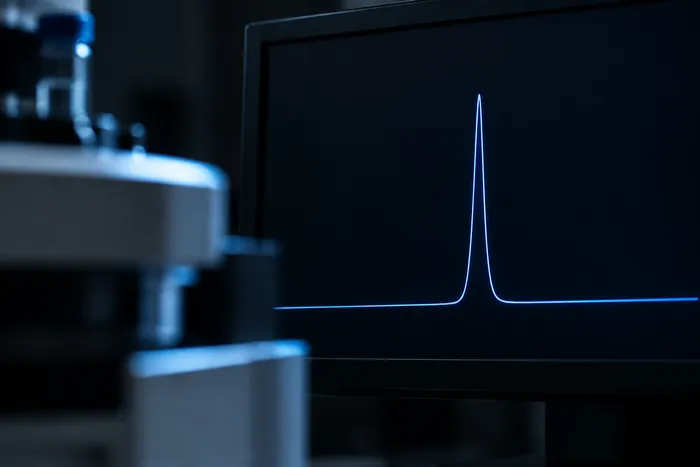
From goods receipt to publication every batch follows the same procedure. The specification is fixed before anything is measured.
- 01Sampling and hand-over to an accredited, independent laboratory
- 02Identity by ESI-MS, purity by RP-HPLC at 220 nm
- 03Water content, acetate content and peptide content
- 04Release only if every value lies within the specification
What the literature says, and what it does not.
We classify every paper by type of evidence. A finding in a rat model is not a finding in humans. A registration trial of a medicine says nothing about a research chemical.
Multifunctionality and possible medical application of the BPC 157 peptide: literature and patent review
Literature and patent review of the pentadecapeptide BPC 157. The data evaluated come predominantly from preclinical models; the authors stress the lack of clinical evidence.
MOTS-c is an exercise-induced mitochondrial-encoded regulator of age-dependent physical decline and muscle homeostasis
MOTS-c improved physical performance in young, middle-aged and old mice, even when treatment began late in life. In humans, the endogenous peptide rose in muscle and blood after exercise.
Stable gastric pentadecapeptide BPC 157 and wound healing
Review of findings on BPC 157 in wound models (incisions, burns, diabetic ulcers) in rats and mice; mechanisms via the NO system and angiogenesis are discussed.

Knowledge instead of promises.
PURA LABS is a young company with a simple idea: research needs substances that are well described and verifiable. Not advertised, but classified, measured and published.
PURA LABS supplies research peptides with a profile, a classified evidence overview and complete analytics. For research use only, not for human or animal use. More on labelling
More about usQuestions about a peptide or a batch?
Include the lot number and we can look straight into the report. Enquiries about volumes and laboratory partnerships are welcome too.